


The Scent of Legacy: How Eight & Bob Reached JFK
The most powerful men in any room are rarely the loudest. Their distinction operates through subtler channels: the quality of a fabric, the ease of a gesture, the invisible signature of a fragrance that lingers long after they have moved on.
John Fitzgerald Kennedy understood this instinctively. And among the many elements that shaped his presence, scent—discreet, personal, and perceptible only at close range—remains the most elusive.

A president and the most intimate detail
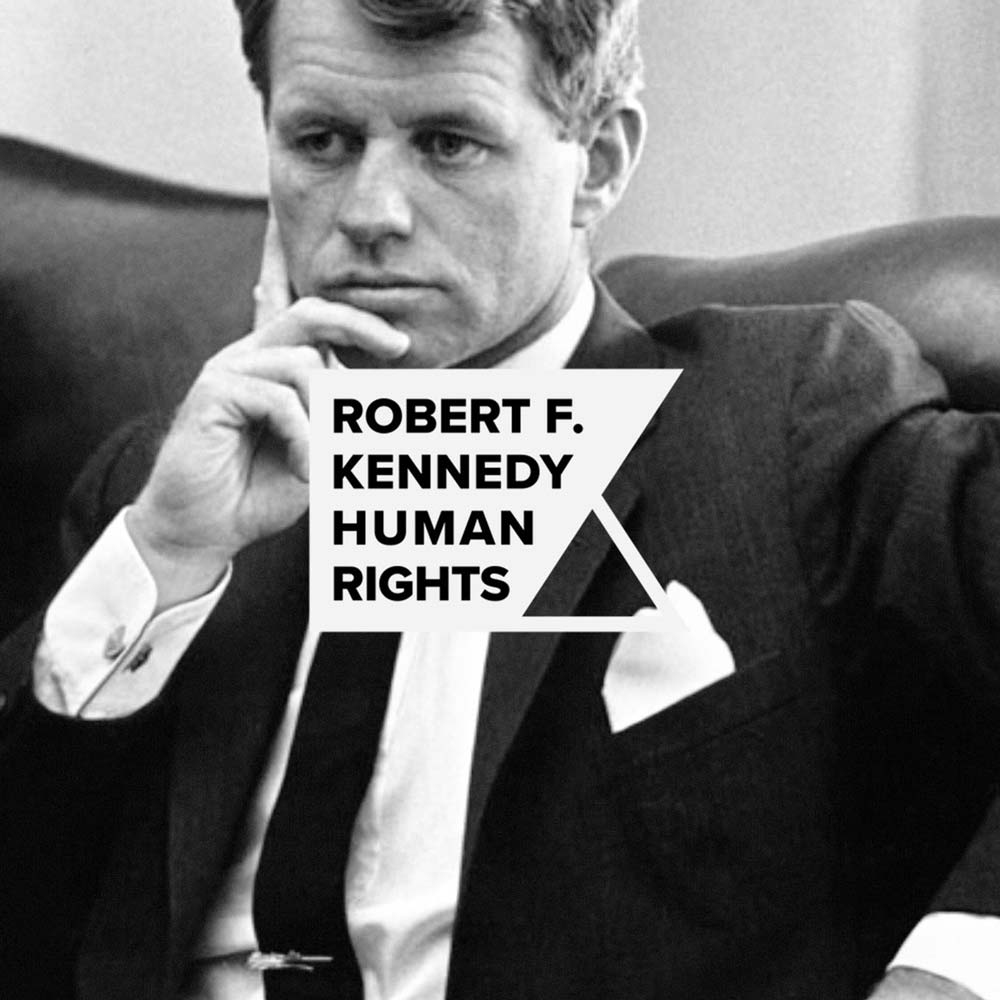
Kennedy occupied a rare position in the history of masculine elegance. In an era that still dressed its public figures in the broad, bulky silhouettes of the previous decade, he moved with a different instinct entirely.
His suits were slim and precisely tailored: two buttons, narrow lapels, sharp creases. In his leisure, polo shirts and well cut chinos, a blazer resting lightly upon the shoulder. Clean, composed, and carried with an ease that required no display.
And yet among all the elements that composed this carefully composed image, the one that no photograph could capture was the most revealing of all.
Fragrance, by its nature, is the most intimate of choices. It cannot be seen. It does not appear in newsreels or portraits.
It exists only in the immediate presence of the wearer, perceived by the few close enough to notice, and remembered by those discerning enough to understand what they have encountered.
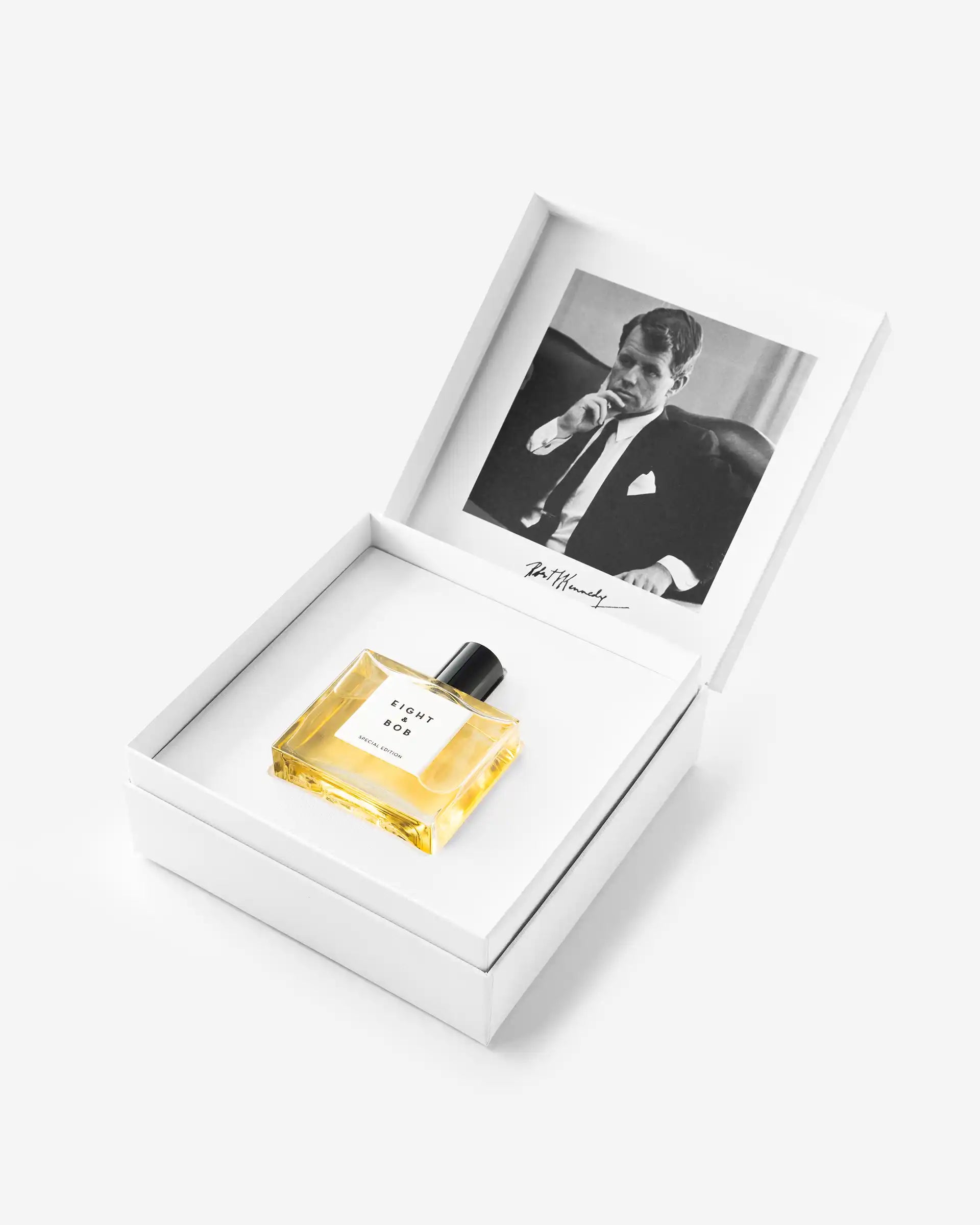
What is known is that John Fitzgerald Kennedy encountered The Original, and that the impression it left was strong enough to cross the Atlantic in the form of a request.
A private formula enters the public world
The formula that would become The Original Eight & Bob was never intended for public life.
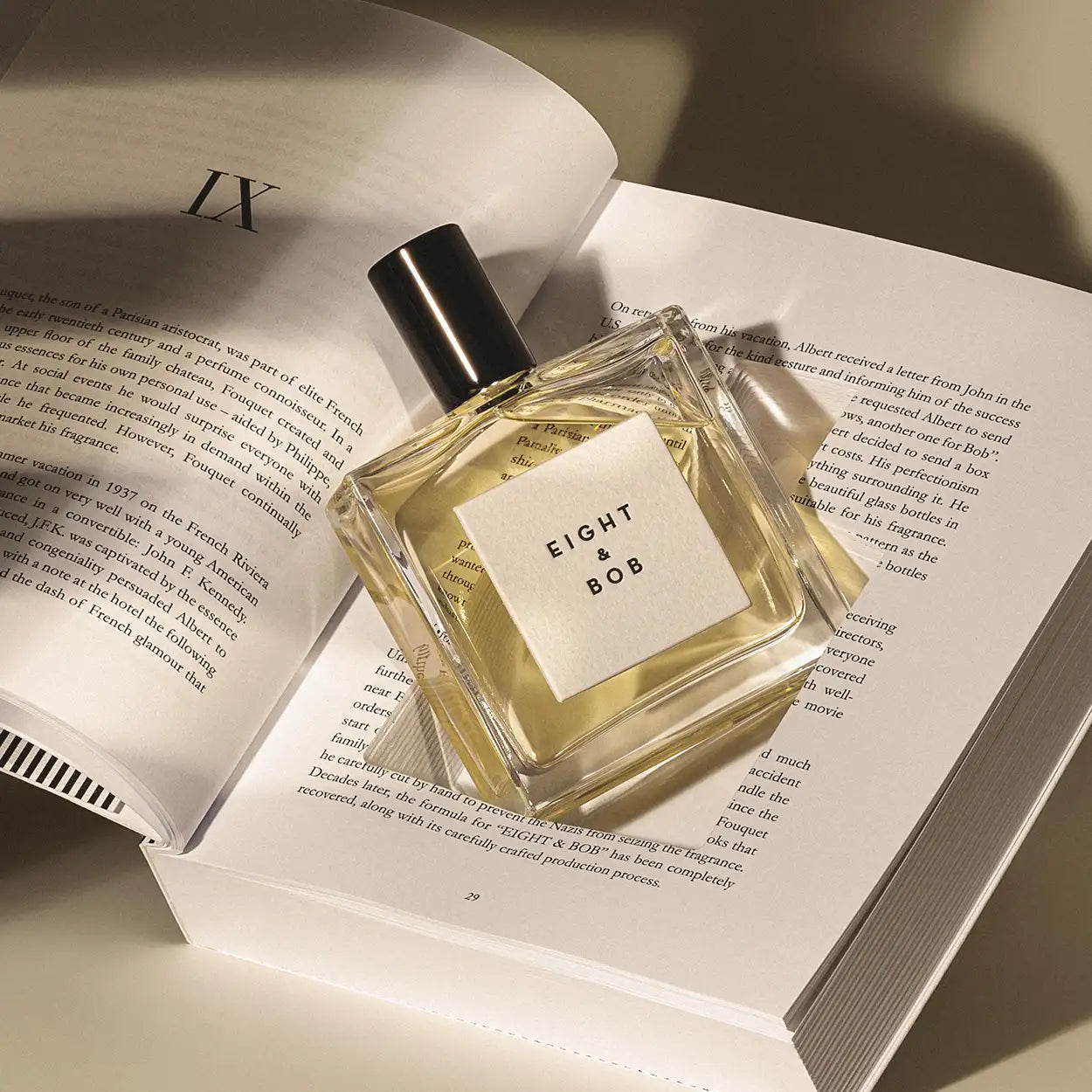
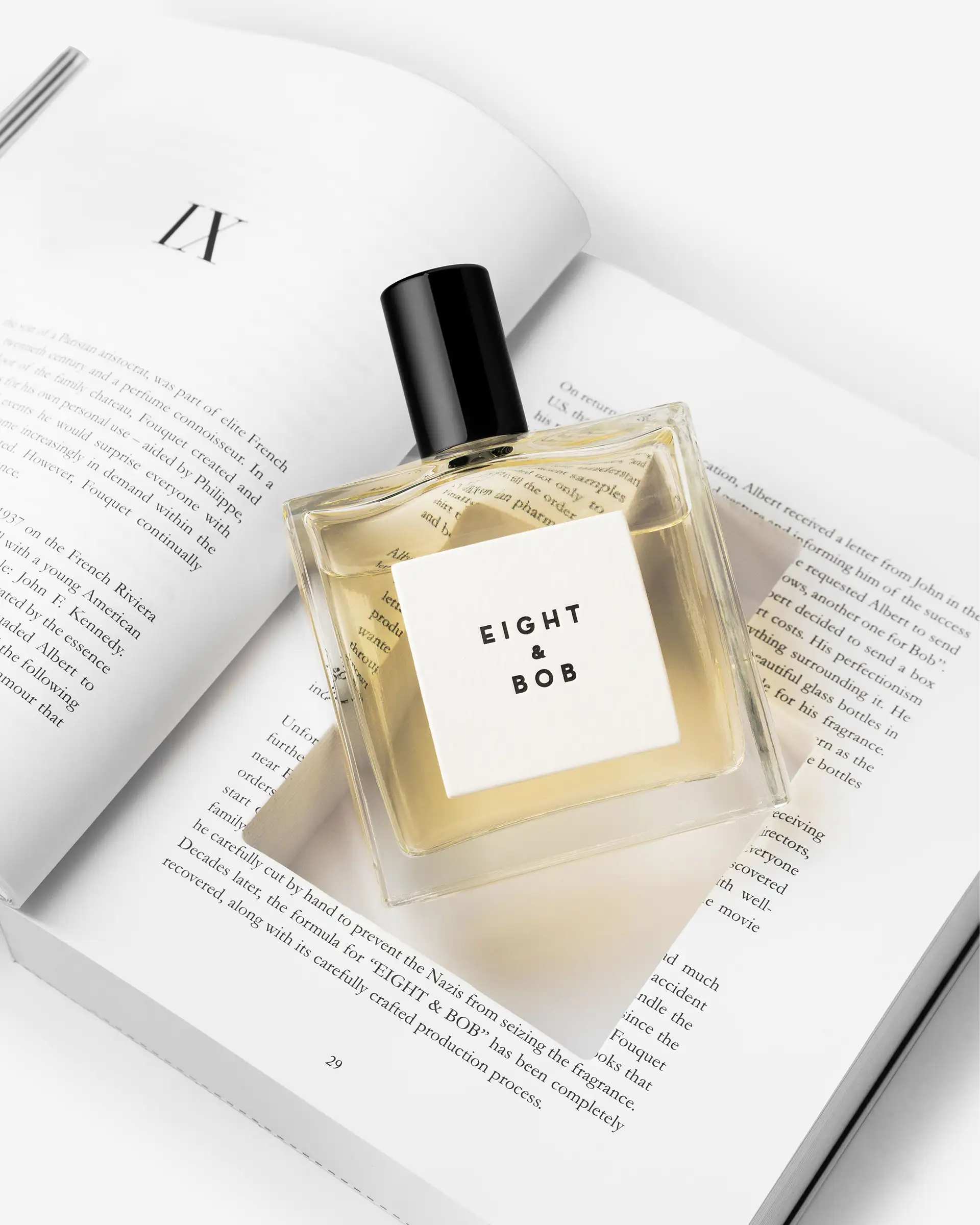
Albert Fouquet, the son of a Parisian aristocrat, had composed it entirely for his own pleasure, aided by Philippe, the family butler, in the upper rooms of the family château.
It was a private creation, circulated only among the intimate circle of a man who had no commercial ambitions whatsoever.
What changed that was a single encounter. A summer on the French Riviera, a young American whose instinct for quality was as sharp as his charm, and a gesture of aristocratic generosity that Fouquet could not have known would alter the course of his formula entirely.
The young American in question was not yet the figure history would make of him. Yet the qualities that would define his public life were already present. JFK did not simply receive the fragrance. He recognised it.

From the Riviera to the Hollywood hills
What Kennedy set in motion, he could not have entirely anticipated.
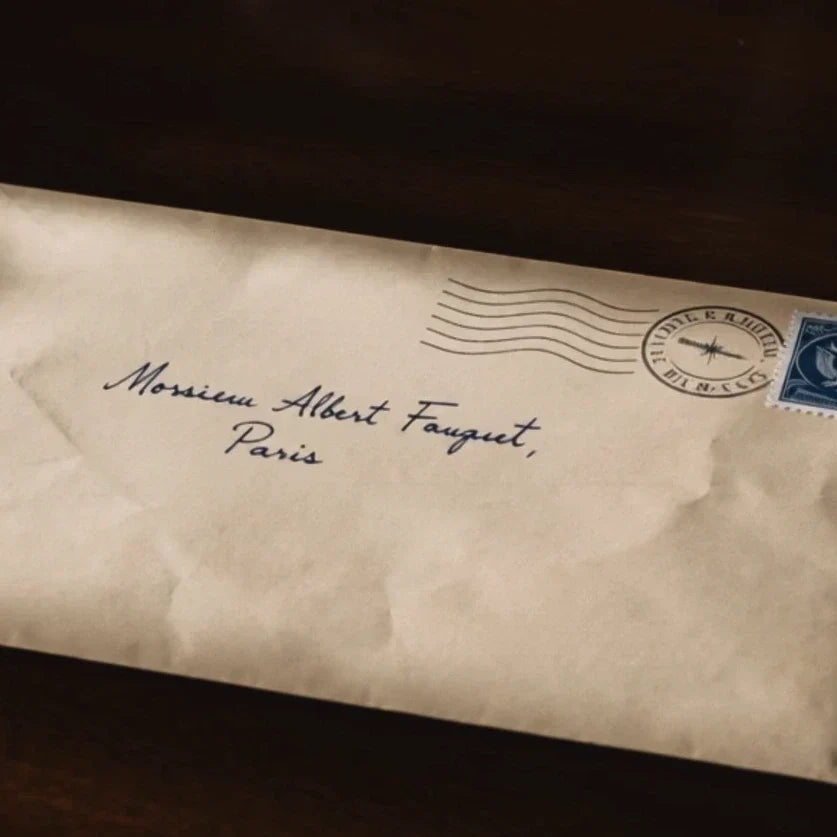
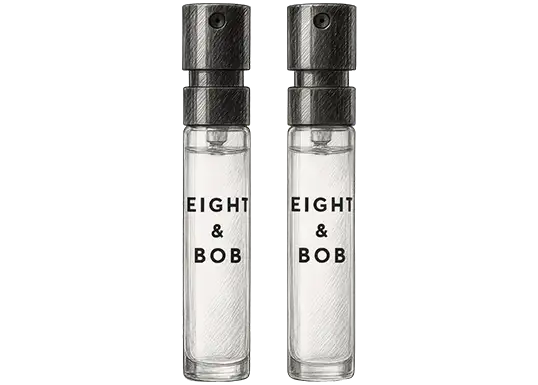
It began with a letter. From America, JFK wrote to Albert Fouquet requesting eight samples of the fragrance, adding: “if your production allows, another one for Bob”.
And so the composition born in a private room above Paris crossed the Atlantic for the first time, carried by the quiet insistence of a man who could not forget it.
The bridge to Hollywood was an unlikely one. John F. Kennedy’s father, whose previous ventures in the American film industry had built enduring relationships across the golden age of cinema, carried the fragrance beyond the world for which it was created.
Within those circles, it found its place naturally. Cary Grant. James Stewart. Men whose presence was as formidable as their taste was exacting. Recognition was instinctive, unspoken, immediate.
And so the letters began arriving at the Fouquet château, each one a quiet testament to the persuasive power of something that had never sought to persuade anyone.
A scent chosen by instinct, remembered by history
There is no record of John F. Kennedy deliberating over the fragrance. No account of a considered selection among competing options.
What the story preserves instead is something more revealing: an immediate recognition. A man of refined sensibility encountering a creation of rare quality, and understanding, without analysis, that it was precisely so.
This is how the finest fragrances are often chosen. Not through comparison or deliberation, but through a quiet certainty that something already belongs. The Original was never a matter of decision. It simply was.

The enduring language of distinguished men
What distinguished men have always understood is that true elegance does not belong to time. It is not bound to a decade, a silhouette, or a passing moment. It belongs instead to a sensibility, and sensibility, when genuine, does not fade.
JFK understood this. Albert Fouquet understood this. And the formula that passed between them on a summer evening on the Côte d’Azur has continued to affirm it, ever since.
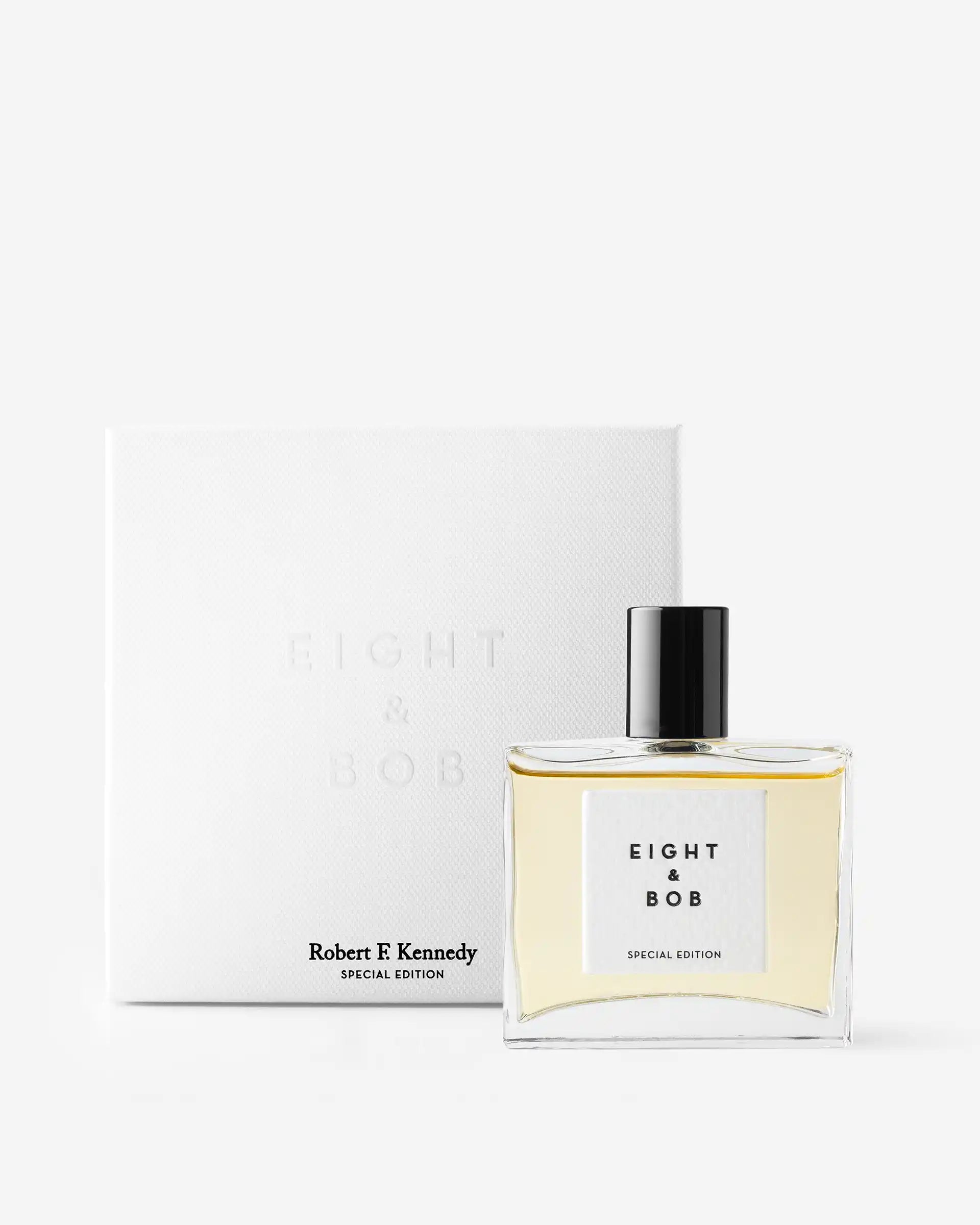
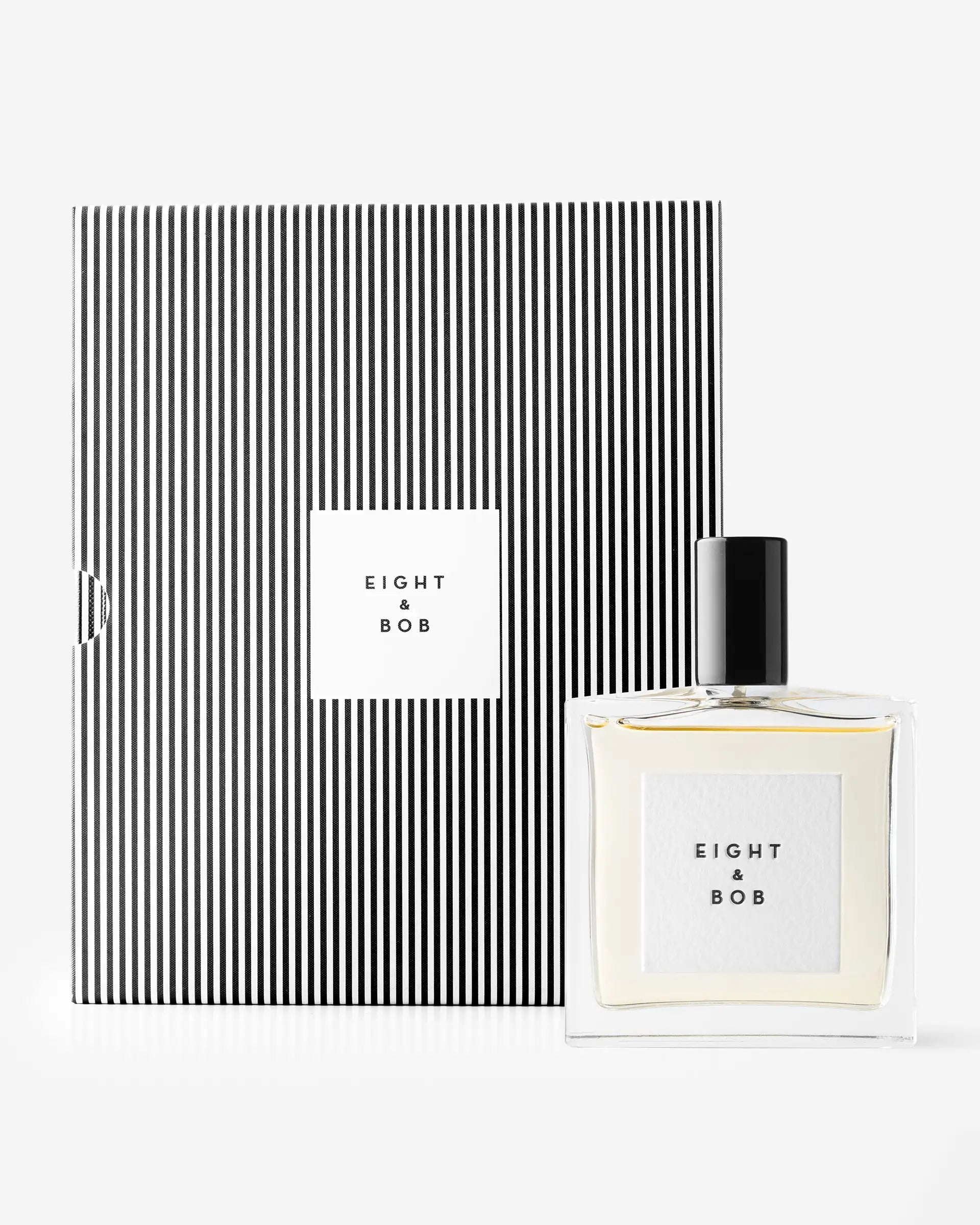
Eight & Bob The Original remains what it has always been: a composition of rare botanical distinction, worn by those who choose their details with the same quiet certainty that separates the elegant from the merely well dressed.
The name has changed nothing. The formula remains the same. Only the wrist that carries it is new. Discover Eight & Bob The Original.





Leave a comment
This site is protected by hCaptcha and the hCaptcha Privacy Policy and Terms of Service apply.